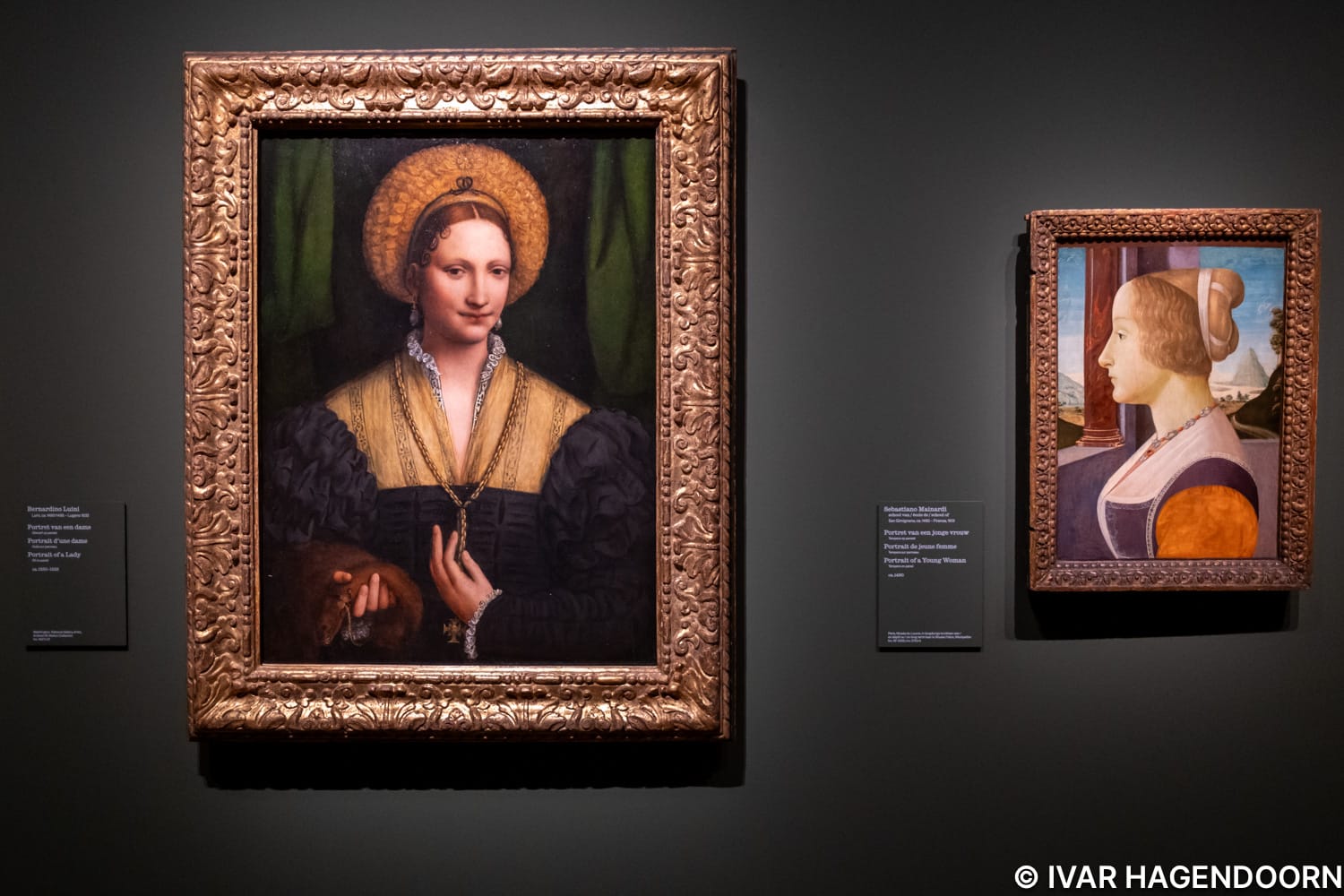
The exhibition "Bellezza e Bruttezza" (Beauty and Ugliness) at BOZAR in Brussels explores the aesthetic ideals that guided Renaissance artists, bringing together well-known works from the likes of Titian, Botticelli, Dürer and Lucas Cranach the Elder, while combining them with lesser-known, and therefore all the more interesting, artworks.
The exhibition focuses on the period when the classical ideal of beauty was refined, stretched, and at times deliberately broken. Beauty and ugliness are often considered opposites, yet the curators reveal a more tangled truth. Many artists, it turns out, were magnetized by deviation itself: sublime beauty on one hand, the deformed and grotesque on the other.
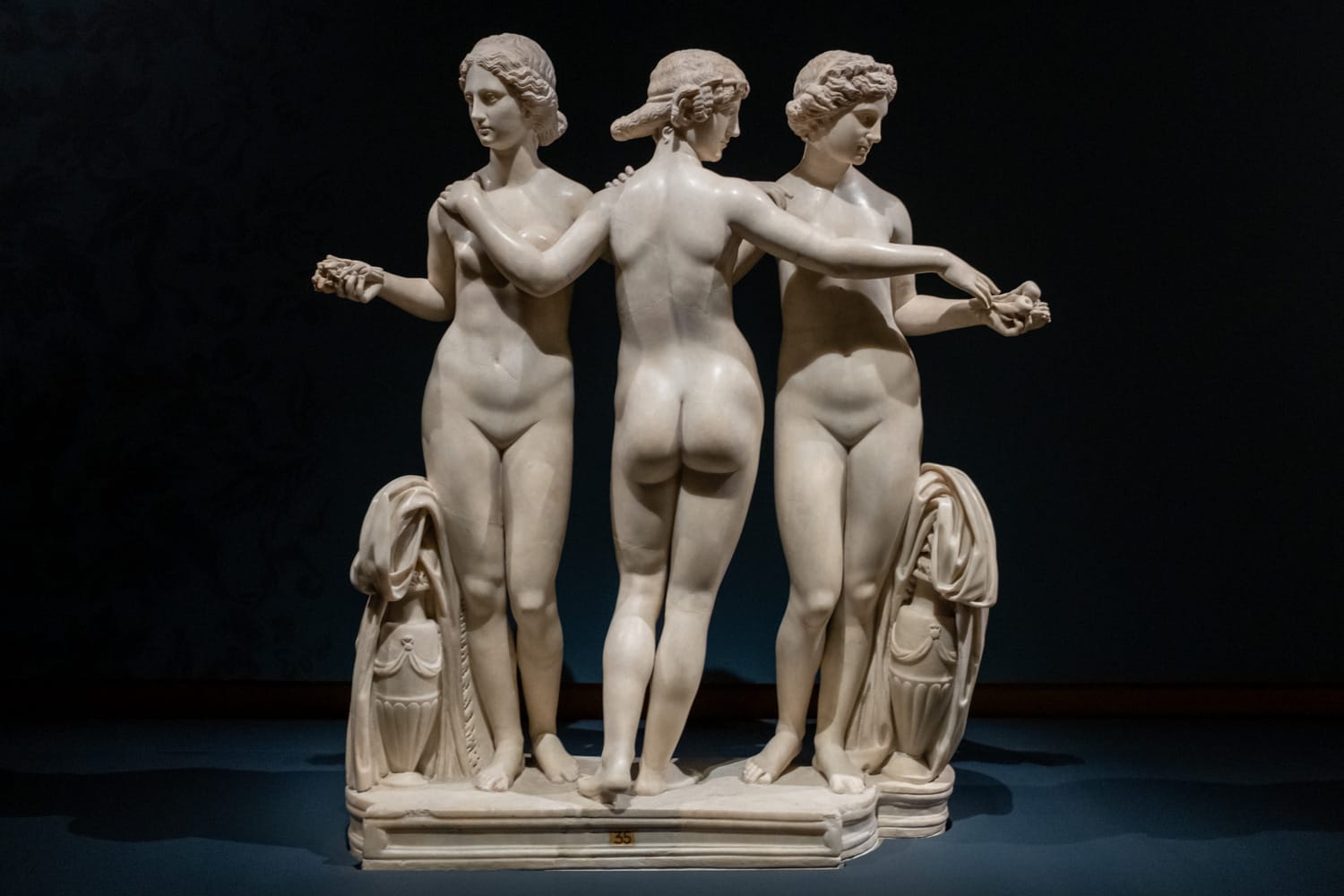
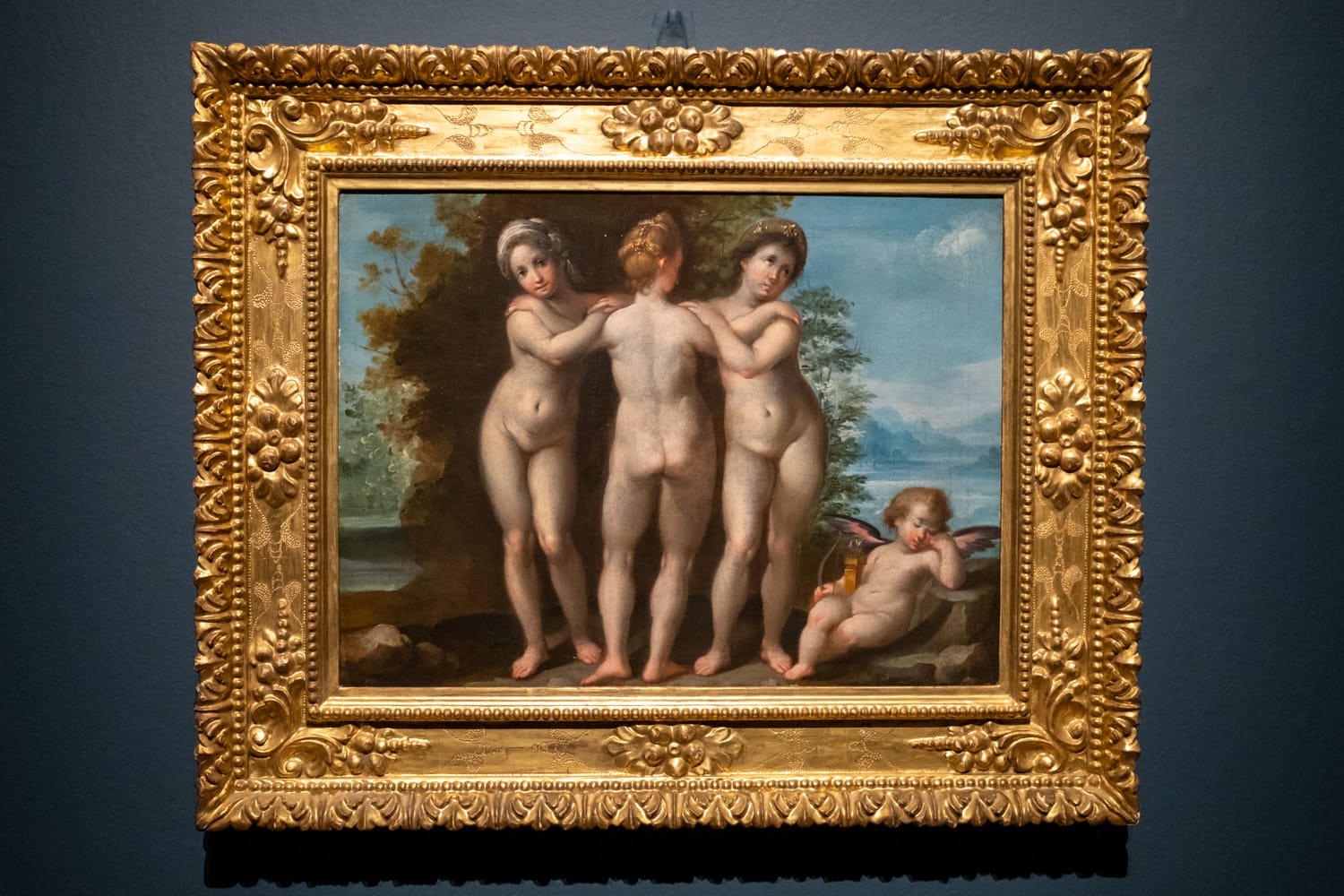
The prologue opens in antiquity. A marble Venus shields her modesty; the Three Graces pirouette in stone; harmony and proportion reign, with realism reserved for a portrait of a furrowed old man. Renaissance masters inherited this lexicon, particularly when depicting heavenly beauty — Venus, the Virgin Mary — to whom they granted the golden ratio as a birthright. Ordinary mortals, however, could remain ordinary, because God had fashioned them so. Feminine beauty then takes center stage through Titian, Veronese, Bordone, Van Cleve, and others, where flawless anatomy mattered less than the surrounding apparatus of grace: embroidered velvet, intricate lace, gold chains, pearl earrings denoting purity, an ermine cradled as emblem of virtue.
Then the register shifts. Painting, the exhibition reminds us, is a deceptive art form. Two portraits of Giulia Gonzaga sit side by side: Titian's flattering invention versus Sebastiano del Piombo's sober likeness. Decades later Gonzaga herself conceded that Titian's version never resembled her. From here, the show pivots toward physical particularity: from dwarfism to the ravages of age and disease. Leonardo da Vinci’s distorted profiles inaugurate an entire school, and his followers mine the morbid picturesque for endless variation. Ugliness, once incidental, hardens into a genre with its own recurring cast: drunkards, faded courtesans, staggering musicians and leering jesters whose folly unmasks pretension.
In the exhibition’s final rooms disfigurement has become shorthand for moral failing, with allegories of greed and envy embodied in sagging, wrinkled bodies and peasants and petty officials drafted into the role of the grotesque.
The exhibition ends with a fascinating painting by Frans Floris de Vriendt, at once a portrait and a still life, which shows Pomona accompanied by Pan amidst a wealth of fruits and vegetables. In Ovid’s Metamorphoses Pomona, the goddess of fruit trees, vegetable gardens and orchards, is being chased by Vertumnus, the god of the seasons, who eventually seduces her after disguising himself as an old woman so as to gain entrance to her walled garden.
Concurrently with Bellezza e Bruttezza, Picture Perfect explores contemporary definitions of physical beauty through photographs and videos from the 1960s to today.
Bellezza e Bruttezza is at BOZAR in Brussels until 14 June 2026.