Back in 2024, I stumbled into a wonderful exhibition at the Centre Pompidou in Paris, “Bande dessinée, 1964 - 2024”, put on to celebrate six decades of comics—and it proved nothing short of a revelation. As a child, I had devoured Tintin, Lucky Luke, Astérix, and the beloved Dutch classic Olivier B. Bommel; yet once I reached adulthood, I tended to reach only for the titles that had earned headlines, such as Marjane Satrapi's Persepolis and Chris Ware's Building Stories. Since visiting “Bande dessinée, 1964 - 2024”, however, I worked my way through a string of award-winning comics and graphic novels, each one enriching my life in ways I hadn't anticipated. These days, I also keep an eye out for other shows about comics and the artists who make them.
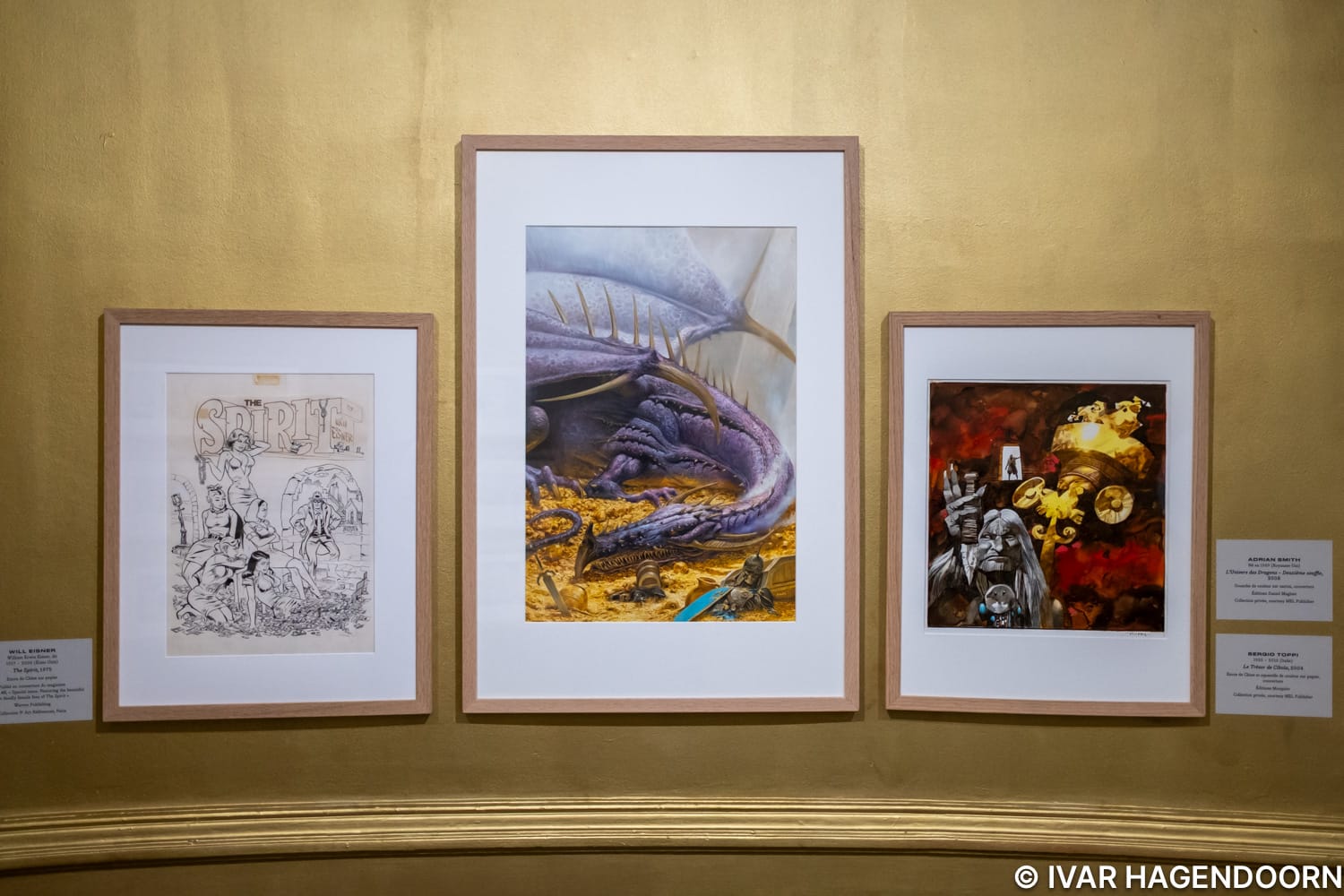
The Monnaie de Paris has organized an exhibition, "Cling! La bande dessinée parle cash", which explores a popular theme in many comic books: money, whether in the form of a treasure hunt, a gang of thieves or a plutocrat. Two hundred works by eighty artists, drawn from generations of comic book artists and loaned by both private and public collectors, examine wealth as comics have always rendered it, in bulging sacks, glittering hoards, and towering piles of coins. Why money? Because, as the curators argue, money is never merely metal or paper for that matter; it is a symbol and a vehicle of socialization.
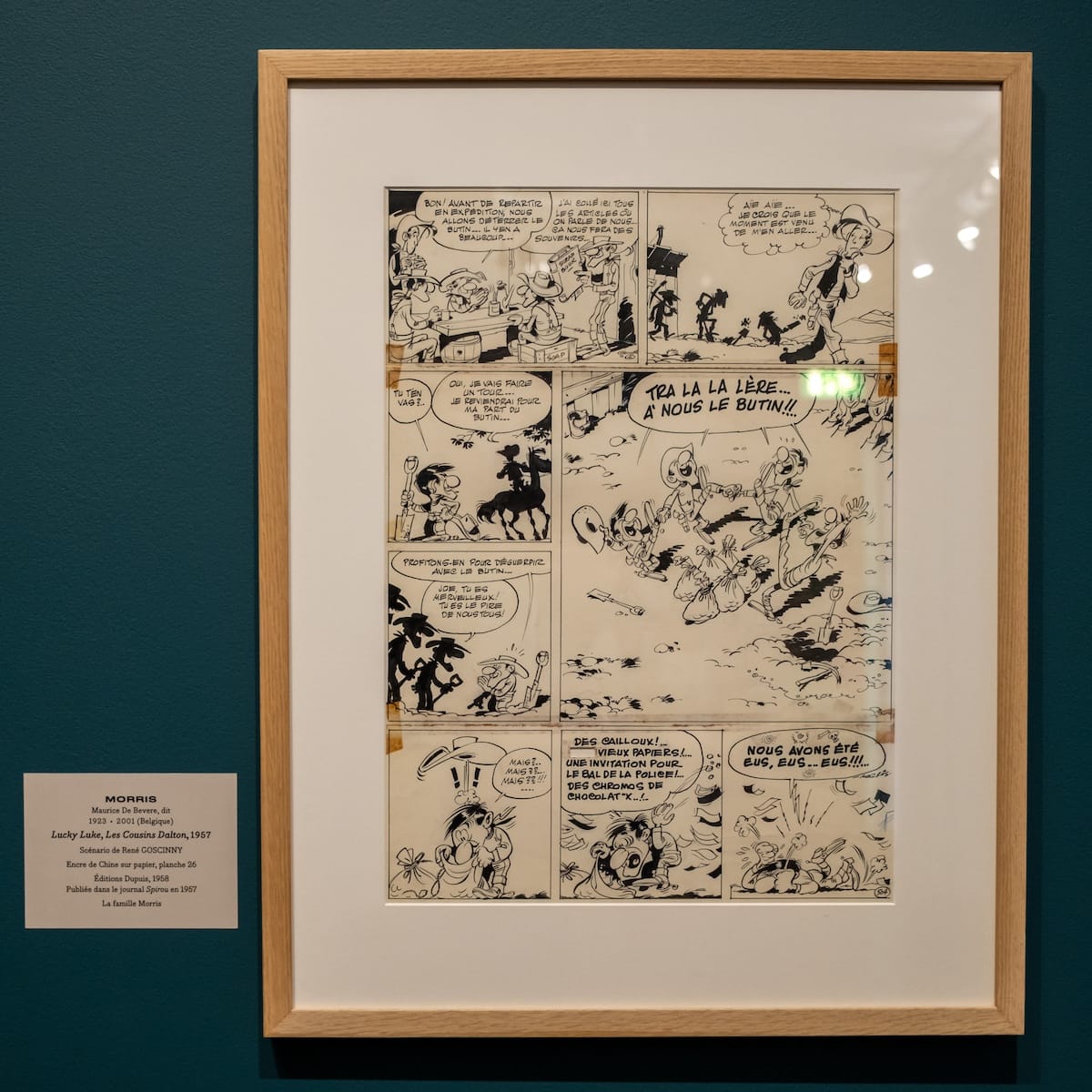
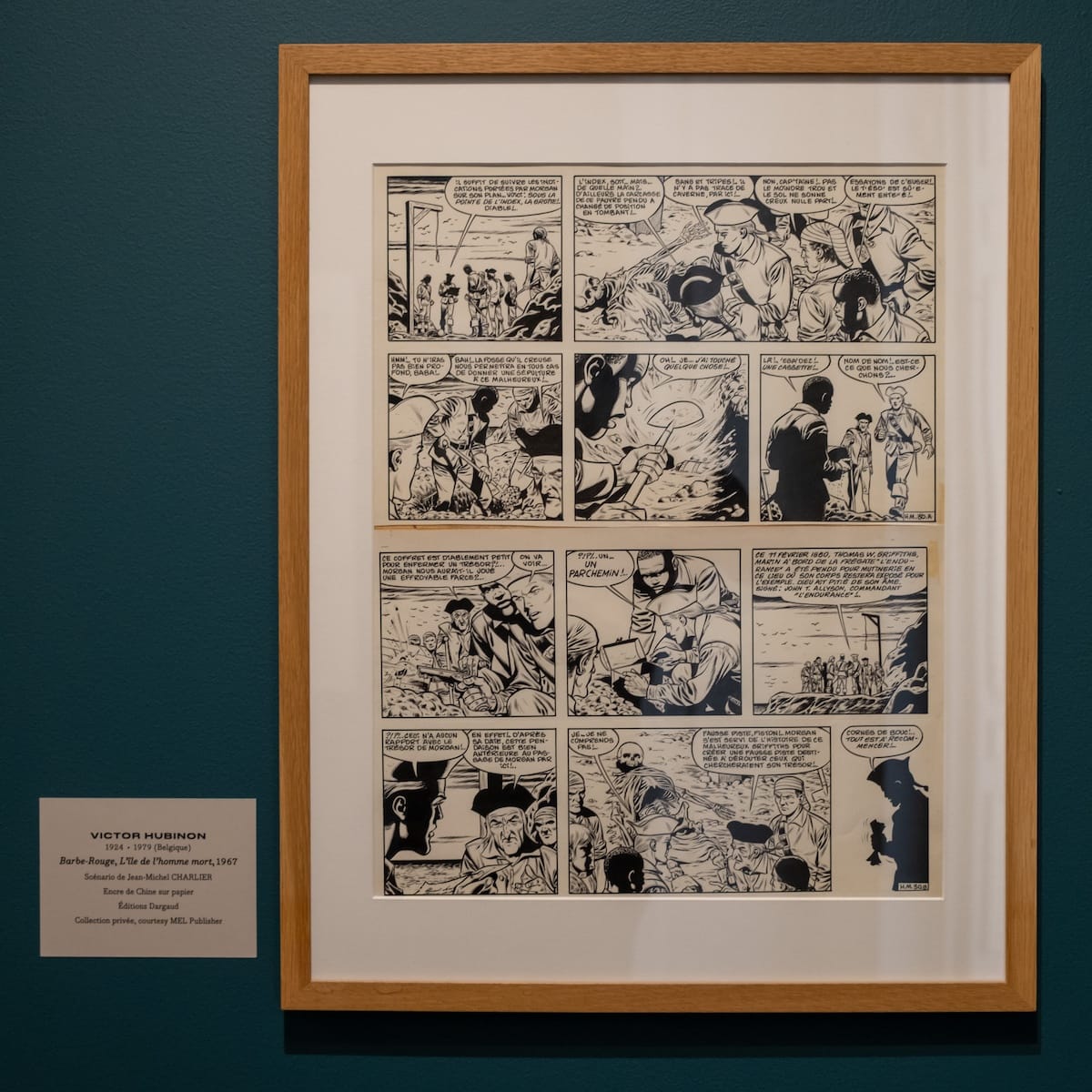
Many quests end with an empty chest, a vanished treasure
The exhibition opens with a forgotten 1933 science-fiction comic, A Trip to the Coin, in which characters shrink to atomic scale and venture inside a penny, then unfurls across eight thematic rooms peopled by adventurers, thieves, gamblers, savers, billionaires, outcasts, counterfeiters and alchemists.
The familiar faces are all here. Scrooge McDuck and the Daltons hounding Lucky Luke, Tintin's scheming Rastapopoulos, each takes a place beside other money-obsessed figures. Gaston wages his creator Franquin's war on parking meters; Two-Face flips his fateful coin in Gotham and the dapper thief Lupin III enriches himself with unmistakable flair.
In both Westerns and pirate adventures, many quests end with an empty chest, a vanished treasure. Yet this doesn't stop the adventurer from setting sail again, nor the reader from wanting to be swept away. Whether in Tintin, Redbeard or Lucky Luke, the disappointment of a missing treasure is a recurring theme. Jacques Lacan famously defined desire as a relation of being to lack. This motif is found as much in Jean-Michel Charlier and Victor Hubinon's L'île de l'homme mort (The Island of the Dead Man) as in Robert Louis Stevenson's Treasure Island. In each of these stories the journey itself constitutes the true treasure. The empty chest, like Pandora's box, symbolizes the identity that each individual must construct.
“Comics Speak Cash” is a dense exhibition and if you want to read each and every panel you should definitely allocate sufficient time for your visit or buy the richly illustrated catalogue. For the occasion the museum shop has been transformed into a well-stocked comic book store. Unfortunately, it was already near closing time when I left so I didn’t have time to browse the shelves.
If you've never been to the Monnaie de Paris, the building at the quai de Conti, near the Pont Neuf, is worth visiting in itself.
Cling! La bande dessinée parle cash is at the Monnaie de Paris until 6 September 2026.
Related Posts
Bande dessinée 1964 - 2024 at the Centre Pompidou.
Richard McGuire. Then and There. Here and Now at the Cartoonmuseum Basel.
Joost Swarte Overal/Everywhere at the Kunsthal Rotterdam.